


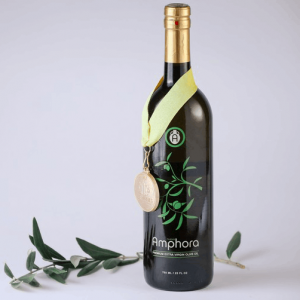
NEW Chilean Picual (Mild Intensity – Spring Harvest 2026)
| Harvest: May 2026 ? Harvest Date: The fresher the better! Olive oils are healthier and more flavorful when they’re consumed fresh! | Poly: 211.4? Polyphenols – Antioxidant substances found in EVOO. The higher the better! Polyphenols extend the shelf-life of an oil & also determine the “style” in terms of bitterness and pungency. Our high phenol oils are being recommended by health professionals all over the world. |
| Perox: 3.9? Peroxide: Peroxide Value – (PV) The lower the better! Must be equal or less than 20. The primary measurement of the rancidity of a particular extra virgin olive oil. PV is affected by procedures used in processing and storing of the oil. Our average PV at time of crush is around 4! |
Oleic: 79.3? Oleic Acid: Legal limit is 55%. The higher the better. Our average is around 77%! Our bodies absorb peroxidized fats we consume and incorporate them into your cells, oleic acid’s superior resistance to free radical attacks also protects your cell membranes, proteins, and DNA from being damaged, even as it protects the oil from spoiling. |
| Dags: 97.2? DAGS :DAGs are important shelf-life indicators and can be used to determine the shelf life (or lack thereof) of an oil at any time in its life. Fresh Olive Oil made from sound fruit should result in a DAG content of 85% or higher whereas the processing of rotten and or fermented olives will produce fresh oil with low DAGs indicating a very short shelf-life. | FFA: .10? FFA: Free Fatty Acid – The lower, the better. The IOC requires that this number be below 0.8 in order to be considered Extra Virgin grade. Our average is about 0.18! The lower the FFA, the higher the smoke point of the oil. |
NEW Chilean Arbequina (Mild Intensity – Spring Harvest 2026)
| Harvest: May 2026 ? Harvest Date: The fresher the better! Olive oils are healthier and more flavorful when they’re consumed fresh! | Poly: 270.8? Polyphenols – Antioxidant substances found in EVOO. The higher the better! Polyphenols extend the shelf-life of an oil & also determine the “style” in terms of bitterness and pungency. Our high phenol oils are being recommended by health professionals all over the world. |
| Perox: 4.3? Peroxide: Peroxide Value – (PV) The lower the better! Must be equal or less than 20. The primary measurement of the rancidity of a particular extra virgin olive oil. PV is affected by procedures used in processing and storing of the oil. Our average PV at time of crush is around 4! |
Oleic: 76.1? Oleic Acid: Legal limit is 55%. The higher the better. Our average is around 77%! Our bodies absorb peroxidized fats we consume and incorporate them into your cells, oleic acid’s superior resistance to free radical attacks also protects your cell membranes, proteins, and DNA from being damaged, even as it protects the oil from spoiling. |
| Dags: 96? DAGS: DAGs are important shelf-life indicators and can be used to determine the shelf life (or lack thereof) of an oil at any time in its life. Fresh Olive Oil made from sound fruit should result in a DAG content of 85% or higher whereas the processing of rotten and or fermented olives will produce fresh oil with low DAGs indicating a very short shelf-life. | FFA: .13? FFA: Free Fatty Acid – The lower, the better. The IOC requires that this number be below 0.8 in order to be considered Extra Virgin grade. Our average is about 0.18! The lower the FFA, the higher the smoke point of the oil. |
NEW Peruvian Coratina (Robust Intensity – Highest Polyphenol – Spring Harvest 2026)
| Harvest: April 2026 ? Harvest Date: The fresher the better! Olive oils are healthier and more flavorful when they’re consumed fresh! | Poly: 606.8? Polyphenols – Antioxidant substances found in EVOO. The higher the better! Polyphenols extend the shelf-life of an oil & also determine the “style” in terms of bitterness and pungency. Our high phenol oils are being recommended by health professionals all over the world. |
| Perox: 4.4? Peroxide: Peroxide Value – (PV) The lower the better! Must be equal or less than 20. The primary measurement of the rancidity of a particular extra virgin olive oil. PV is affected by procedures used in processing and storing of the oil. Our average PV at time of crush is around 4! |
Oleic: 71.7? Oleic Acid: Legal limit is 55%. The higher the better. Our average is around 77%! Our bodies absorb peroxidized fats we consume and incorporate them into your cells, oleic acid’s superior resistance to free radical attacks also protects your cell membranes, proteins, and DNA from being damaged, even as it protects the oil from spoiling. |
| Dags: 94.7? DAGS :DAGs are important shelf-life indicators and can be used to determine the shelf life (or lack thereof) of an oil at any time in its life. Fresh Olive Oil made from sound fruit should result in a DAG content of 85% or higher whereas the processing of rotten and or fermented olives will produce fresh oil with low DAGs indicating a very short shelf-life. | FFA: .31? FFA: Free Fatty Acid – The lower, the better. The IOC requires that this number be below 0.8 in order to be considered Extra Virgin grade. Our average is about 0.18! The lower the FFA, the higher the smoke point of the oil. |
California Arbequina (Mild Intensity – Fall Harvest 2025)
| Harvest: November 2025 ? Harvest Date: The fresher the better! Olive oils are healthier and more flavorful when they’re consumed fresh! | Poly: 234.2? Polyphenols – Antioxidant substances found in EVOO. The higher the better! Polyphenols extend the shelf-life of an oil & also determine the “style” in terms of bitterness and pungency. Our high phenol oils are being recommended by health professionals all over the world. |
| Perox: 7.49? Peroxide: Peroxide Value – (PV) The lower the better! Must be equal or less than 20. The primary measurement of the rancidity of a particular extra virgin olive oil. PV is affected by procedures used in processing and storing of the oil. Our average PV at time of crush is around 4! |
Oleic: 67.3 ? Oleic Acid: Legal limit is 55%. The higher the better. Our average is around 77%! Our bodies absorb peroxidized fats we consume and incorporate them into your cells, oleic acid’s superior resistance to free radical attacks also protects your cell membranes, proteins, and DNA from being damaged, even as it protects the oil from spoiling. |
| Dags: 94.1 ? DAGS :DAGs are important shelf-life indicators and can be used to determine the shelf life (or lack thereof) of an oil at any time in its life. Fresh Olive Oil made from sound fruit should result in a DAG content of 85% or higher whereas the processing of rotten and or fermented olives will produce fresh oil with low DAGs indicating a very short shelf-life. | FFA: .15? FFA: Free Fatty Acid – The lower, the better. The IOC requires that this number be below 0.8 in order to be considered Extra Virgin grade. Our average is about 0.18! The lower the FFA, the higher the smoke point of the oil. |
NEW Chilean Arbosana (Robust Intensity – Spring Harvest 2026)
| Harvest: May 2026? Harvest Date: The fresher the better! Olive oils are healthier and more flavorful when they’re consumed fresh! | Poly: 473? Polyphenols – Antioxidant substances found in EVOO. The higher the better! Polyphenols extend the shelf-life of an oil & also determine the “style” in terms of bitterness and pungency. Our high phenol oils are being recommended by health professionals all over the world. |
| Perox: 4.2? Peroxide: Peroxide Value – (PV) The lower the better! Must be equal or less than 20. The primary measurement of the rancidity of a particular extra virgin olive oil. PV is affected by procedures used in processing and storing of the oil. Our average PV at time of crush is around 4! |
Oleic: 76.4? Oleic Acid: Legal limit is 55%. The higher the better. Our average is around 77%! Our bodies absorb peroxidized fats we consume and incorporate them into your cells, oleic acid’s superior resistance to free radical attacks also protects your cell membranes, proteins, and DNA from being damaged, even as it protects the oil from spoiling. |
| Dags: 91.2? DAGS: DAGs are important shelf-life indicators and can be used to determine the shelf life (or lack thereof) of an oil at any time in its life. Fresh Olive Oil made from sound fruit should result in a DAG content of 85% or higher whereas the processing of rotten and or fermented olives will produce fresh oil with low DAGs indicating a very short shelf-life. | FFA: .23? FFA: Free Fatty Acid – The lower, the better. The IOC requires that this number be below 0.8 in order to be considered Extra Virgin grade. Our average is about 0.18! The lower the FFA, the higher the smoke point of the oil. |
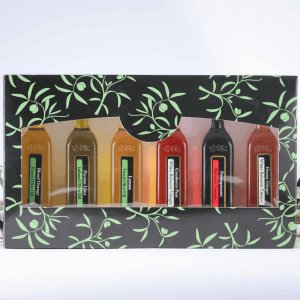
The Gourmet Pack
The ideal gift for food lovers and home chefs. A sample pack of 6 – 60ml bottles featuring 3 pairings of our most popular olive oils and balsamic vinegars. Great for salad dressings, cooking and marinades. Add a tablespoon or two of any of our white balsamic vinegars to sparkling water or cocktails for a refreshing drink!
The GOURMET SAMPLE PACK features the following Amphora products:
Portuguese Cobrancosa Extra Virgin Olive Oil paired with Traditional Dark Balsamic, Infused Milanese Gremolata Olive Oil paired with Sicilian Lemon White Balsamic, and Infused Basil Olive Oil paired with Peach White Balsamic.
NEW Chilean Koroneiki (Mild Intensity – Spring Harvest 2026)
| Harvest: May 2026 ? Harvest Date: The fresher the better! Olive oils are healthier and more flavorful when they’re consumed fresh! | Poly: 208.1? Polyphenols – Antioxidant substances found in EVOO. The higher the better! Polyphenols extend the shelf-life of an oil & also determine the “style” in terms of bitterness and pungency. Our high phenol oils are being recommended by health professionals all over the world. |
| Perox: 3.9? Peroxide: Peroxide Value – (PV) The lower the better! Must be equal or less than 20. The primary measurement of the rancidity of a particular extra virgin olive oil. PV is affected by procedures used in processing and storing of the oil. Our average PV at time of crush is around 4! |
Oleic: 78.5? Oleic Acid: Legal limit is 55%. The higher the better. Our average is around 77%! Our bodies absorb peroxidized fats we consume and incorporate them into your cells, oleic acid’s superior resistance to free radical attacks also protects your cell membranes, proteins, and DNA from being damaged, even as it protects the oil from spoiling. |
| Dags: 95.9 ? DAGS :DAGs are important shelf-life indicators and can be used to determine the shelf life (or lack thereof) of an oil at any time in its life. Fresh Olive Oil made from sound fruit should result in a DAG content of 85% or higher whereas the processing of rotten and or fermented olives will produce fresh oil with low DAGs indicating a very short shelf-life. | FFA: .13? FFA: Free Fatty Acid – The lower, the better. The IOC requires that this number be below 0.8 in order to be considered Extra Virgin grade. Our average is about 0.18! The lower the FFA, the higher the smoke point of the oil. |
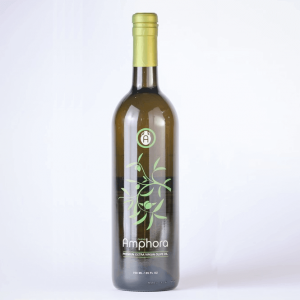
NEW Messina Green LIMONATO Lemon Whole Fruit Fused Olive Oil
Our Spring 2026 Fused, early harvest, Chilean green lemon olive oil (Messina Green Limonato™ was made by crushing green Arbequina olives alongside freshly picked estate grown Messina Lemons. The result is an incredibly complex, pungent fusion. By harvesting early lemons and olives grown side by side, we achieved maximum green lemon aroma in this powerfully fragrant and floral oil. Super concentrated, a little bit goes a long way! we firmly believe that such precision makes our May 2026 production entirely unique from anything else in the market. Pairs beautifully with Peach white balsamic, Honey Giner Suyo Cucumber, Tangerine, Strawberry Dark Balsamic, as well as Strawberry Rosé and Watermelon Rosé for everything from vibrant vinaigrettes and seafood marinades to refreshing sprtizers and fruit-forward glazes.
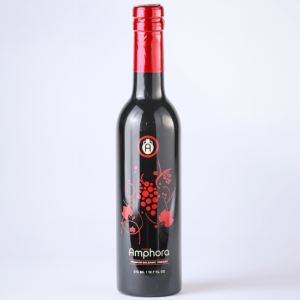
Suyo Cucumber White Balsamic
Our crisp, zippy Suyo Cucumber White Balsamic is quintessential in dressings, marinades, shrubs, agua frescas, vinaigrettes and more. Use it to add an exciting zing to your next caprese salad or add a splash to your next shrimp cocktail.
Pairs wonderfully with fused lemon olive oil, garlic olive, ginger and black garlic olive oil, lime olive oil, Baklouti chili olive oil, dill olive oil and more. The possibilities are endless.